
Other Application
Applications of Coconut Shell Biochar
A comprehensive overview of high-performance industrial and environmental pathways for activated coconut shell-derived carbons, bridging sustainable feedstock with rigorous engineering requirements.
Biodiesel Production
Biodiesel production is one of the key industrial uses where coconut shell-derived activated biochar can serve as a low-cost catalyst support or heterogeneous catalyst. Biodiesel synthesis typically requires a catalyst to accelerate the transesterification reaction.
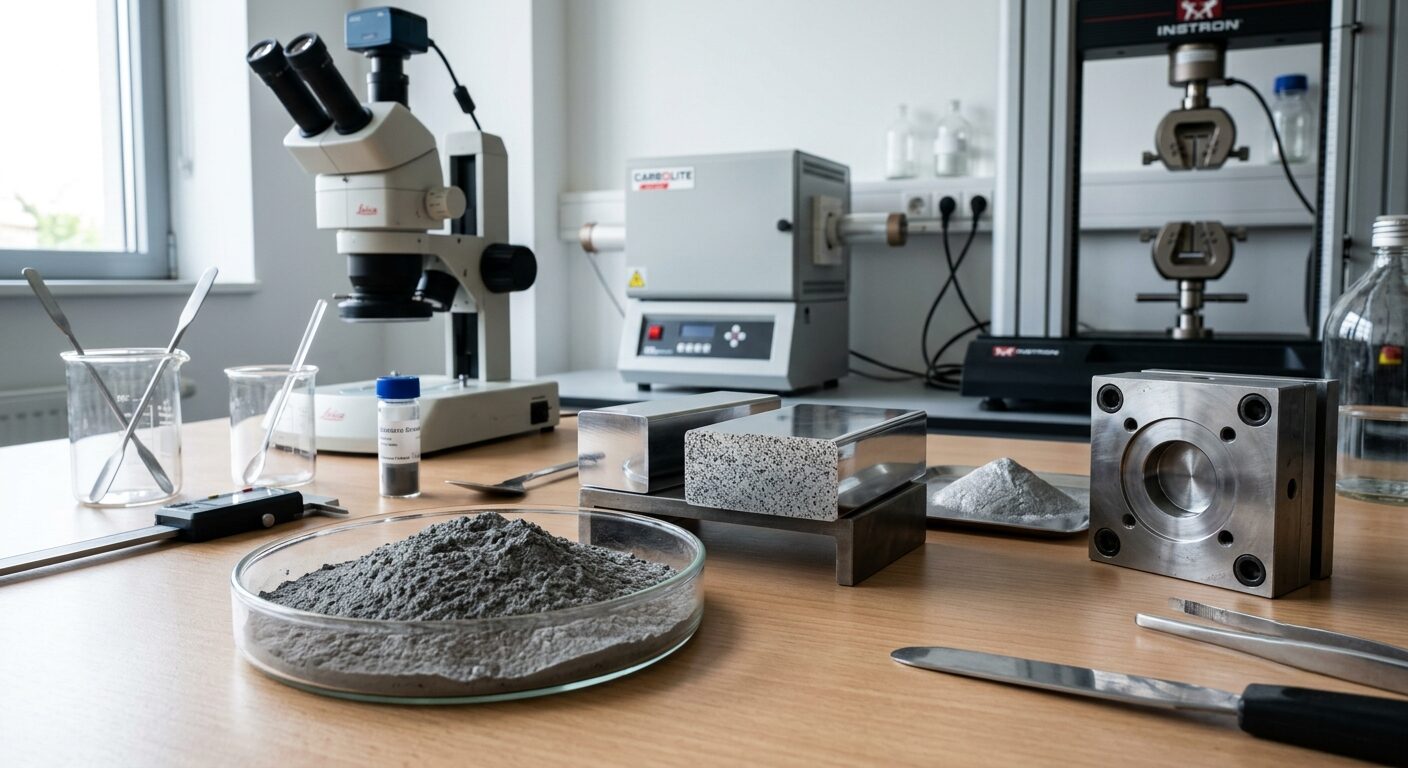
Metal Matrix Composites
Coconut shell ash has also attracted attention as a low-cost, lightweight reinforcement for metal matrix composites (MMCs).
High-power Supercapacitor
Coconut shell-derived activated carbons have shown strong promise as electrode materials for high-power supercapacitors, largely because their pore structure and surface chemistry can be tuned to balance high capacitance with fast ion transport.

Capacitive Deionization
Coconut shell-derived activated biochar has also been explored as an electrode material for capacitive deionization (CDI), where salt ions are removed from water through electrostatic adsorption and additional Faradaic reactions.
Soil Amendment
Soil amendment is another major pathway where coconut shell biochar can deliver clear environmental benefits, because it can improve soil physical properties, support beneficial microbes, and reduce the mobility of pollutants. Particularly, its porosity and surface functional groups can enhance water retention and provide adsorption sites for metals and organic contaminants, while its carbon matrix offers a habitat for microbial growth.
Carbon Dioxide Capture
CO2 capture is another important application where activated coconut shell biochar has shown strong potential, owing to its tunable pore structure and surface chemistry. Numerous studies have examined how chemical and physical activation enhance CO2 adsorption performance.
Supercritical Fluid Regeneration
By contrast to other regeneration methods, supercritical fluid regeneration uses carbon dioxide under critical temperature and pressure to recover organic compounds from solids or liquids.